
Your film collection is in six places at once
Published: September 12, 2026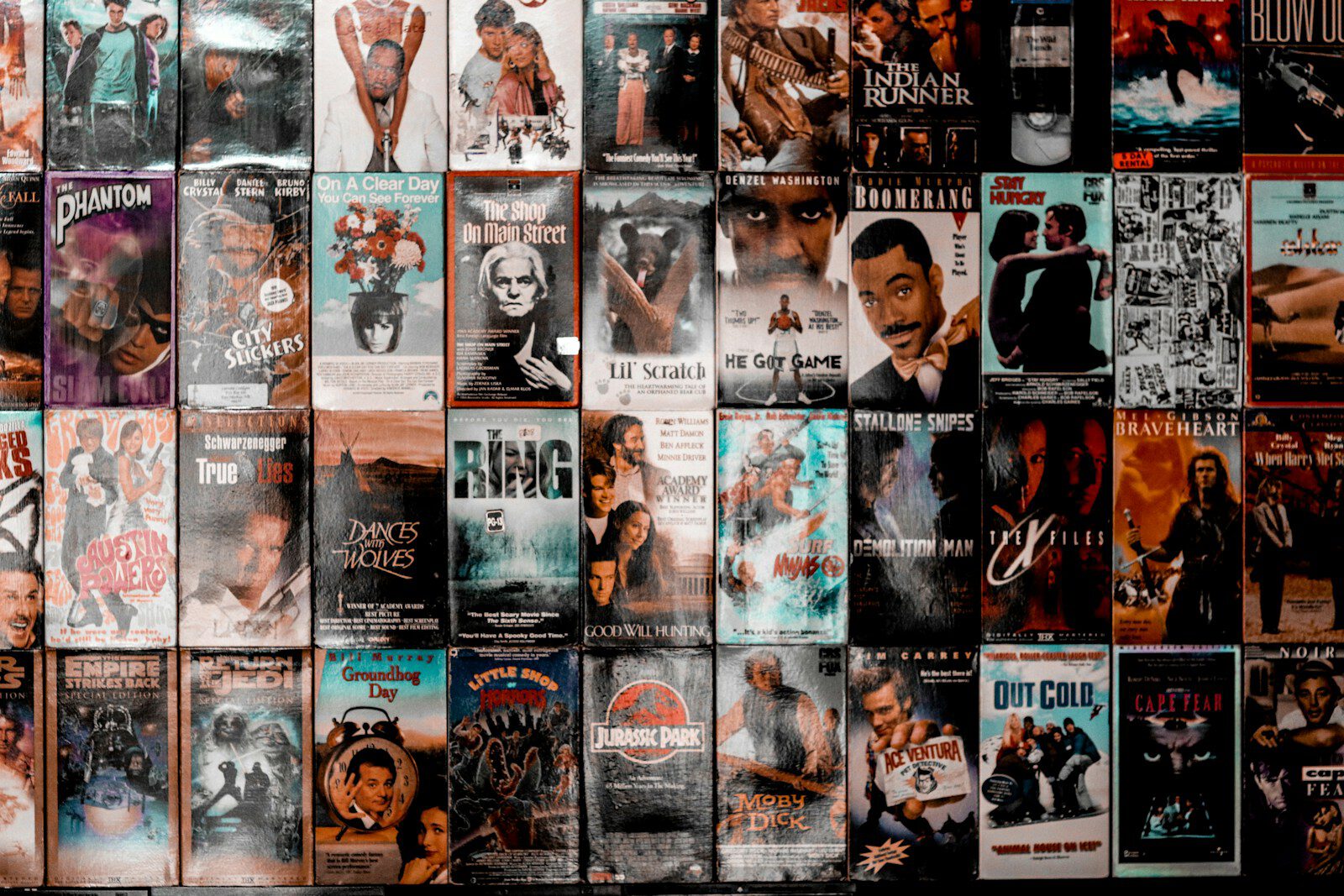
Someone asks whether you own a particular film. You think you probably do. It might be on the NAS. It might be a disc in the spare room. It might have been on one of the subscriptions last year, which is not the same as owning it. You end up searching four apps in turn, and eventually put something else on.
This is the modern version of a problem film collectors have always had, except the shelf is now spread across a server, a cupboard, and half a dozen services that quietly add and remove things without telling you.
Separate what you can watch from what you want to watch
Almost every messy collection is really two lists that have been allowed to merge.
The first is what you could put on tonight, with no thinking and no spending. The second is everything you fancy one day. They feel similar when you are adding to them and they behave completely differently when you are trying to choose something at half past eight on a Friday.
Keep them apart and the first list becomes short and honest, which is exactly what you want when a room full of people is waiting.
Write down where each film actually lives
This is the step people skip, and it is the one that does the work.
A title on its own tells you nothing useful. A title with “NAS” or “4K disc, spare room” or “Apple TV, bought” next to it answers the only question that matters when somebody suggests it. Without that, every film night starts with a search.
It also stops the expensive mistake, which is buying or renting something you already own in a format you forgot about. If you have ever paid £4.49 for a film that was sitting on a shelf eight feet away, you know the feeling.
In One Row every film carries where it lives, and you can type your own names for places rather than picking from a fixed list. “Dad’s hard drive” is a legitimate location if that is genuinely where it is.
A media server solves half the problem
Plex, Jellyfin and Emby all do the same core job: point them at your files and you get a browsable library with posters, cast and synopses, playable on the television.
If you are ripping discs or collecting files, one of these is the single biggest improvement you can make. Jellyfin is free and open source. Plex is the most polished and pushes its own content at you. Emby sits in between. For a home cinema the differences matter far less than picking one and actually filling it.
What a server does not solve is everything outside it. Your discs are not in it. Your Apple TV purchases are not in it. The film you have on Blu-ray but never ripped is not in it, and that is usually the one somebody asks about.
So the server becomes one location among several rather than the answer on its own. One Row imports a server’s film list directly, then lets the rest of your collection sit alongside it in the same library.
Physical media is the bit everyone forgets
Discs do not appear in any app, do not show up in a search, and are invisible to everyone in the house except whoever bought them.
You do not need to catalogue the whole shelf in an afternoon. Add them as they come up: when someone mentions a film and you realise you own it, that is the moment to record it. A collection catalogued gradually while you use it beats one you gave up on in week two.
Tagging what a disc is actually capable of is worth doing at the same time, because it is the reason you bought it. Dolby Vision, Atmos, a 4K transfer that is genuinely better than the stream. That detail is invisible once the disc is in a drawer.
Subscriptions are borrowed, not owned
Anything on a subscription can leave at the end of the month, and usually does so without warning.
That does not make streaming useless, it just means it belongs in the “can watch tonight” list rather than in your collection. Worth checking occasionally, because the film you were relying on may have quietly moved to a service you do not pay for.
Films you have actually bought on Apple TV or Amazon are different. Those are yours, and they are exactly the ones that vanish from memory, because there is no shelf to remind you.
The ten second test
Here is how you know whether any of this has worked.
Someone names a film. Within ten seconds you can say whether you own it, where it is, and whether it is worth putting on tonight. If you can, the collection is doing its job. If you are opening four apps, it is still just a pile of files and discs that happens to be yours.
One Row Home Cinema was built around that test. Your library is what you can watch, each film knows where it lives, and if you run Plex, Jellyfin or Emby you can import the lot rather than typing it in. The beta is open, and it is most useful to me right now if you run a server, because home setups vary more than I can test on my own.
Back To Film Nights